
Word Counter
An Arabic word counter serves as an essential digital tool that helps content creators, writers, and language learners accurately determine the exact number of words and characters in Arabic text. This specialized counting tool has become increasingly vital for anyone working with Arabic content, whether they’re crafting social media posts, academic papers, or professional documents.
The growing demand for Arabic digital content has created an urgent need for precise word-counting solutions. With Arabic being spoken by over 400 million native speakers worldwide and serving as an official language in 22 countries, content creators are constantly seeking reliable methods to count Arabic words online. This surge in Arabic content creation spans across various platforms, from educational websites to business communications, making accurate word count measurements more critical than ever.
Why Arabic Word Counting is Unique
Right-to-Left Script Considerations
Arabic’s right-to-left writing direction fundamentally changes how text processing systems handle word boundaries and counting algorithms. Unlike English or other left-to-right languages, Arabic text flows in the opposite direction, which can confuse traditional counting tools that weren’t designed with this alphabet structure in mind. This directional difference affects not only how text appears visually but also how digital systems interpret word breaks and sentence length calculations.
The right-to-left orientation also impacts how mixed content is processed. When Arabic text contains numbers, English phrases, or technical terms, the bidirectional nature of the content can lead to inaccurate counts if the tool doesn’t properly handle text direction changes. Professional Arabic text analyzer tools must account for these directional shifts to provide reliable word count results.
Connected Letter Forms and Their Impact on Counting
Arabic letters connect to each other within words, creating a flowing script that can challenge automatic word recognition systems. Unlike languages where each letter stands independently, Arabic letters change their shape depending on their position within a word – initial, medial, final, or isolated forms. This connectivity means that determining where one word ends and another begins requires a sophisticated understanding of Arabic grammar and letter behavior.
The connected nature of Arabic writing also affects character limit calculations and influences how Arabic character counter tools must process text. Simple space-based counting methods that work for English often fail with Arabic, as the visual word boundaries may not align with the actual linguistic word structures. This complexity requires specialized algorithms that understand Arabic morphology and can accurately identify word boundaries despite the connected script.
Diacritical Marks (Harakat) and Their Role in Word Boundaries
Arabic diacritical marks, known as harakat, add another layer of complexity to word counting. These marks, which include fatha, kasra, damma, and others, modify the pronunciation and meaning of words but may or may not be considered part of the word count depending on the context and purpose of the counting.
For language learning applications, these marks are crucial for comprehension and proper pronunciation. However, for content length calculations or character limit assessments, they might be treated differently. Some Arabic sentence word counter tools count diacritics as separate characters, while others ignore them entirely. This variation in treatment can lead to significantly different results depending on the tool used, making it essential to understand how your chosen counter handles these marks.
Arabic Numerals vs. Text Numbers
The distinction between Arabic numerals (which are actually of Indian origin but called “Arabic” numerals) and numbers written as Arabic text words adds another dimension to counting complexity. When content includes numerical information, writers must decide whether to use Hindu-Arabic numerals (0, 1, 2, 3) or spell out numbers in Arabic text.
Written numbers contribute to the overall word count, while numerals are typically counted as single units regardless of their numerical value. Understanding this distinction is crucial for writers who need to maintain specific word count targets or work within character limit constraints for social media or advertising content.
Key Features to Look for in an Arabic Word Counter
Unicode Support for Proper Arabic Character Recognition
The foundation of any reliable Arabic word counter lies in its Unicode support capabilities. Proper Unicode implementation ensures that all Arabic characters, from basic letters to complex diacritical marks, are correctly recognized and processed. Without comprehensive Unicode support, counting tools may misinterpret or completely ignore certain Arabic characters, leading to inaccurate results.
Modern online Arabic word counter tool options should support the full range of Unicode Arabic blocks, including basic Arabic letters, Arabic supplement characters, and extended Arabic characters used in various dialects and classical texts. This comprehensive support ensures that whether you’re working with modern standard Arabic or historical texts, your word count remains accurate and reliable.
Handling of Arabic Punctuation and Spacing
Arabic punctuation marks differ from their English counterparts and require specialized handling in counting algorithms. Traditional Arabic texts use different spacing conventions and punctuation marks that may not be immediately recognized by standard counting tools. A quality free Arabic word counter should properly identify and process Arabic-specific punctuation while maintaining accurate word boundaries.
The spacing between words in Arabic can also vary depending on the text source and formatting. Some texts may use wider spaces, while others might have minimal spacing that could confuse basic counting algorithms. Professional tools account for these variations and can accurately count Arabic letters and words regardless of spacing inconsistencies.
Character Count vs. Word Count Accuracy
Distinguishing between character counting and word counting becomes particularly important when working with Arabic text. The connected nature of Arabic script means that character counts can vary significantly depending on whether ligatures, combined characters, and diacritical marks are included in the calculation.
Accurate Arabic word count tools provide both metrics clearly, allowing users to understand exactly what is being measured. This dual functionality is essential for writers working with publications that have specific requirements for either character limits or word counts. Whether you’re preparing content for social media platforms with character restrictions or academic journals with word count requirements, having both measurements ensures compliance with various guidelines.
Support for Different Arabic Dialects and Classical Arabic
The Arabic language encompasses numerous dialects and variations, from classical Arabic used in formal writing and religious texts to modern colloquial forms used in everyday conversation. Each variant may have unique vocabulary, grammar structures, and writing conventions that can affect counting accuracy.
The best Arabic word counter tools recognize and properly process text regardless of the Arabic variant being used. This flexibility ensures that whether you’re working with formal Modern Standard Arabic, classical texts, or regional dialectical content, your word counts remain consistent and reliable. This broad support is particularly valuable for researchers, translators, and content creators who work across different forms of Arabic.
Top Arabic Word Counter Tools (2025)
Free Online Arabic Word Counters
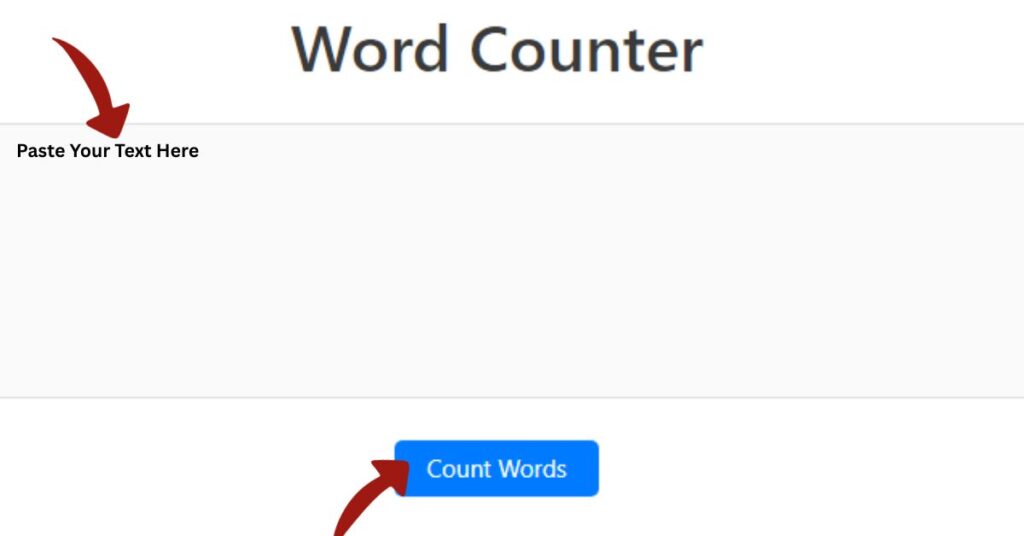
Several web-based platforms offer robust Arabic word counting capabilities without requiring software installation or subscription fees. These tools typically feature user-friendly interfaces where writers can paste their Arabic text and instantly receive detailed statistics, including word count, character count, and often additional metrics like reading time estimates.
Most free options provide basic functionality that covers the essential needs of casual users and students. They handle standard Arabic text effectively and can count Arabic text length accurately for most common use cases. However, free tools may have limitations in terms of text processing volume, advanced features, or support for specialized Arabic variants.
When selecting from available free options, users should test the tool with their specific type of Arabic content to ensure accuracy. Some free counters excel with modern Arabic text but may struggle with classical Arabic or heavily diacritical text, while others offer more comprehensive support across different Arabic forms.
Browser Extensions for Arabic Text Analysis
Browser extensions provide convenient access to Arabic counting functionality directly within web browsers, eliminating the need to copy and paste text between applications. These extensions typically integrate with popular browsers like Chrome, Firefox, and Safari, offering one-click access to word-counting features while browsing Arabic websites or working on web-based writing platforms.
The advantage of browser-based solutions lies in their seamless integration with online workflows. Writers can highlight Arabic text on any webpage and instantly get word counts without leaving their current browsing session. This integration proves particularly valuable for social media managers, content creators, and digital marketers who frequently work with Arabic content across multiple online platforms.
Many browser extensions also offer additional features beyond basic counting, such as text analysis, readability scoring, and vocabulary suggestions. These extended capabilities make them valuable tools for writers seeking to improve their Arabic content while maintaining awareness of word count and character limit requirements.
Desktop Applications with Arabic Support
Professional desktop applications offer the most comprehensive feature sets for Arabic text analysis and counting. These applications typically provide advanced functionality, including detailed text statistics, export capabilities, and integration with popular writing software and word processors.
Desktop solutions often excel in handling large documents and complex text formatting that might challenge web-based tools. They can process entire documents, maintain formatting while counting, and offer batch processing capabilities for users working with multiple Arabic text files simultaneously.
The offline nature of desktop applications also provides advantages for users working with sensitive or confidential content, as the text never leaves the local computer during the counting process. This security aspect makes desktop solutions particularly attractive for legal professionals, researchers, and business users who require strict confidentiality for their Arabic documents.
Mobile Apps for Arabic Word Counting
Mobile applications bring Arabic word counting capabilities directly to smartphones and tablets, enabling on-the-go text analysis and content creation. These apps cater to the growing number of Arabic content creators who use mobile devices as their primary writing and publishing platform.
Mobile apps typically feature touch-optimized interfaces designed for easy text input and quick results display. Many apps integrate with mobile keyboards and text selection features, allowing users to count words directly from other applications or quickly analyze Arabic text they encounter while browsing on their mobile devices.
The convenience of mobile apps makes them particularly valuable for social media content creators, journalists, and writers who frequently work outside traditional office environments. Having reliable Arabic word-counting capabilities available on mobile devices ensures consistent content quality regardless of where the writing takes place.
Use Cases for Arabic Word Counters
Academic Writing and Research Papers
Academic institutions worldwide increasingly require precise word count documentation for Arabic research papers, theses, and scholarly articles. Students and researchers working with Arabic texts need reliable tools to meet specific submission requirements, whether they’re writing about literature, history, linguistics, or social sciences. The complexity of academic Arabic, often incorporating classical forms and specialized vocabulary, demands sophisticated counting capabilities that can handle formal register and technical terminology.
Graduate students preparing dissertations in Arabic studies find that traditional word counters fail to provide accurate measurements for their complex texts. These academic works often combine modern Arabic with classical quotations, requiring tools that can seamlessly count words in Arabic regardless of the historical period or linguistic variant being analyzed. Professors evaluating student work also rely on consistent counting methods to ensure fair assessment across different submissions.
Research papers involving Arabic sources benefit significantly from accurate text word count measurements, particularly when scholars need to analyze the length and complexity of historical documents. This precision becomes crucial when comparing texts across different periods or when conducting quantitative linguistic analysis that depends on exact word frequencies and text statistics.
Social Media Content Optimization
Social media platforms have transformed how Arabic content creators approach their writing, with each platform imposing specific character limit and word count restrictions. Arabic social media managers must navigate these constraints while maintaining engaging and culturally appropriate content that resonates with their target audience.
Twitter’s character limitations require particular attention when crafting Arabic tweets, as the connected nature of Arabic script can result in unexpected character counts that don’t align with the visual text length. Instagram captions, Facebook posts, and LinkedIn articles each have their own optimal word ranges that maximize engagement, making accurate counting essential for content performance.
Content creators focusing on Arabic-speaking audiences often work across multiple platforms simultaneously, requiring consistent measurement tools that help them adapt their message length for different social media environments.
Translation and Localization Projects
Professional translators working between Arabic and other languages rely heavily on accurate word counting for project estimation, billing, and quality control. Translation agencies need precise measurements to calculate project costs, determine delivery timelines, and allocate appropriate resources for Arabic localization work.
The complexity of Arabic grammar and its different word formation patterns compared to English words means that translation projects often result in significantly different word counts between source and target languages. Professional translators must account for these differences when providing accurate project estimates and ensuring that localized content fits within specified space constraints.
Localization projects for Arabic markets require careful attention to text expansion and contraction factors. Marketing materials, software interfaces, and documentation often need to fit within predetermined layouts, making accurate word and character counting essential for successful localization outcomes.
SEO Content Creation in Arabic
Digital marketers creating Arabic content for search engine optimization must balance keyword density requirements with natural language flow, making word counting an essential part of their content strategy. Arabic SEO writers need to maintain optimal keyword ratios while ensuring their content remains readable and engaging for human audiences.
The growing Arabic online market has increased demand for SEO-optimized content that performs well in search results while meeting specific word count targets. Content creators must understand how search engines process Arabic text and ensure their word counts align with SEO best practices for Arabic-language websites.
Blog posts, product descriptions, and landing pages in Arabic require careful word count management to achieve optimal search engine rankings while maintaining user engagement. Writers must consider both the total word count and the distribution of target keywords throughout their content to maximize SEO effectiveness.
Publishing and Manuscript Preparation
Publishers working with Arabic books, magazines, and digital publications need accurate word counting for layout planning, printing cost estimation, and editorial decision-making. The unique characteristics of Arabic typography and page layout require precise text measurements to ensure proper formatting and presentation.
Authors submitting Arabic manuscripts to publishers must meet specific word count requirements that vary by genre and publication type. A novel might require different counting standards than academic texts or children’s books, making it essential to use appropriate counting tools for each publication category.
Magazine editors working with Arabic content need to fit articles within predetermined page layouts, requiring accurate word counts to ensure proper text flow and visual balance. This precision becomes particularly important when working with mixed-language publications that include both Arabic and English content.
How to Select the Perfect Arabic Word Counter
Accuracy Considerations
The most critical factor when selecting an Arabic word counting tool is its accuracy in handling the unique characteristics of Arabic text. Users should test potential tools with samples of their typical content to verify that the counting results align with their specific needs and expectations.
Different counting algorithms may produce varying results for the same Arabic text, particularly when dealing with diacritical marks, connected letters, and mixed-language content. Testing tools with diverse text samples help identify which counting approach works best for specific use cases and content types.
Users should also consider whether they need to count that follows academic standards, publishing industry conventions, or specific platform requirements. Some contexts may require including or excluding certain elements, like punctuation marks, numbers, or formatting codes, in the final count.
Additional Features (Character Count, Reading Time, etc.)
Modern Arabic word counters often provide supplementary metrics beyond basic word counts, including character counting, reading time estimates, and readability analysis. These additional features can provide valuable insights for content creators working with Arabic text across different platforms and purposes.
Reading time calculations help content creators optimize their Arabic articles for user engagement, particularly important for web content where attention spans vary. Some tools also provide speaking time estimates, which prove valuable for presentations, speeches, and audio content preparation.
Advanced features like word per minute analysis and common words identification can help writers improve their Arabic content quality and identify areas for enhancement. These analytical capabilities transform simple counting tools into comprehensive writing assistants for Arabic content creators.
Integration Capabilities of Arabic Word Counter
The ability to integrate Arabic word-counting functionality with existing writing workflows significantly impacts productivity and convenience. Tools that work seamlessly with popular word processors, content management systems, and writing applications provide better user experiences and more efficient workflows.
API access allows developers to incorporate Arabic counting capabilities into custom applications and automated content processing systems. This integration proves particularly valuable for publishing companies, news organizations, and content agencies that process large volumes of Arabic text regularly.
Browser integration and mobile app compatibility ensure that Arabic word counting remains accessible regardless of the writing environment or device being used. This flexibility supports the increasingly mobile and distributed nature of modern content creation workflows.
Cost and Accessibility Factors of the Arabic Word Counter
Budget considerations play a significant role in tool selection, particularly for individual writers, students, and small organizations working with Arabic content. Many free tools provide adequate functionality for basic needs, while premium solutions offer advanced features and enhanced accuracy of the Arabic word counter.
Accessibility features ensure that Arabic word counting tools remain usable for writers with different needs and technical skill levels. Simple, intuitive interfaces benefit casual users, while advanced configuration options serve professional writers and content creators with specialized requirements.
Subscription models versus one-time purchases offer different advantages depending on usage patterns and budget constraints. Organizations processing large volumes of Arabic text may benefit from enterprise solutions, while occasional users might prefer free or low-cost alternatives.
Tips for Accurate Arabic Word Counting
Best Practices for Text Preparation
Proper text preparation significantly impacts counting accuracy when working with Arabic content. Writers should ensure their text uses consistent formatting and encoding to avoid character count discrepancies that might arise from mixed character sets or incompatible text formats.
Cleaning the text of unnecessary formatting codes, extra spaces, and non-textual elements before counting helps ensure accurate results. This preparation becomes particularly important when working with text copied from web pages, PDF documents, or other sources that might contain hidden formatting characters.
Standardizing the treatment of numbers, dates, and proper names within Arabic text helps maintain counting consistency across different documents and projects. Establishing clear guidelines for handling these elements prevents confusion and ensures reliable counting results.
Common Counting Errors to Avoid
One frequent mistake involves using tools that don’t properly recognize Arabic word boundaries, leading to significant undercounting or overcounting of text length. Writers should verify that their chosen tool correctly identifies where Arabic words begin and end, particularly in texts with minimal spacing or unusual formatting.
Mixing different counting standards within the same project can create inconsistencies that affect content planning and production. Establishing clear counting protocols and sticking to them throughout a project helps maintain accuracy and prevents costly revisions.
Ignoring the impact of diacritical marks on counting can lead to unexpected results, particularly when working with educational materials, religious texts, or language learning content where these marks carry significant meaning and may affect word count calculations.
Handling Mixed Arabic-English Content
Documents containing both Arabic and English text require special attention to ensure accurate counting across both languages. The different reading directions and text structures can confuse standard counting tools, making specialized software necessary for reliable results.
Establishing clear protocols for handling code-switching, where writers alternate between Arabic and English within the same document, helps maintain consistent counting standards. This consistency proves particularly important for bilingual publications and multilingual websites.
Technical documents, academic papers, and business communications often include English terms, abbreviations, and technical vocabulary within Arabic text. Proper handling of these mixed-language elements ensures accurate word counts that reflect the true content complexity and length.
Conclusion
Recap of the Importance of a Reliable Arabic Word Counting
The significance of accurate Arabic word counting extends far beyond simple text measurement, touching every aspect of Arabic content creation from academic research to digital marketing. As Arabic continues to expand its presence in the digital world, the tools and techniques for measuring Arabic text must evolve to meet increasingly sophisticated requirements.
Writers, educators, publishers, and content creators who work with Arabic text depend on reliable counting methods to meet professional standards, academic requirements, and platform specifications. The unique characteristics of Arabic writing make specialized tools not just helpful but essential for anyone serious about producing high-quality Arabic content.
Understanding the complexities of Arabic text measurement empowers content creators to make informed decisions about their tools and workflows. This knowledge translates directly into improved content quality, more accurate project planning, and better outcomes across all types of Arabic writing projects.
Final Recommendations for Users
Content creators should prioritize accuracy over convenience when selecting Arabic word counting tools, testing multiple options with their specific type of content before making final decisions. The investment in finding the right tool pays dividends in improved workflow efficiency and content quality.
Regular validation of counting results helps maintain confidence in chosen tools and identifies potential issues before they impact important projects. Keeping backup counting methods available ensures continuity when primary tools encounter technical difficulties or updates.
Building expertise in Arabic text analysis and counting principles enables writers to make better tool choices and troubleshoot counting issues independently. This knowledge proves invaluable for professional growth and content quality improvement.
Future Trends in Arabic Text Analysis Tools
Artificial intelligence and machine learning technologies promise to revolutionize Arabic text analysis, offering a more sophisticated understanding of context, meaning, and linguistic nuance. These advances will likely produce counting tools that better handle the complexities of Arabic grammar and writing conventions.
Integration with comprehensive writing assistance platforms will transform Arabic word counters from standalone tools into components of broader content creation ecosystems. This evolution will provide writers with more complete support for their Arabic writing projects.
Cloud-based processing and mobile-first design approaches will make Arabic text analysis more accessible across different devices and platforms. These technological improvements will support the growing community of Arabic content creators working in increasingly diverse digital environments.
If you use YouTube and want to download a specific video, then you can use our YouTube Short Video Downloader.


Pingback: Free Business Name Numerology Calculator – Instant Result -